
I am Dr. Sébastien Beley , a urologist and andrologist based in Paris. In this article, I will explain in detail the possibilities of penile implant placement in patients who already have an artificial sphincter. This topic is particularly important for men experiencing severe urinary and erectile dysfunction, especially following prostate surgery or treatment for prostate cancer. 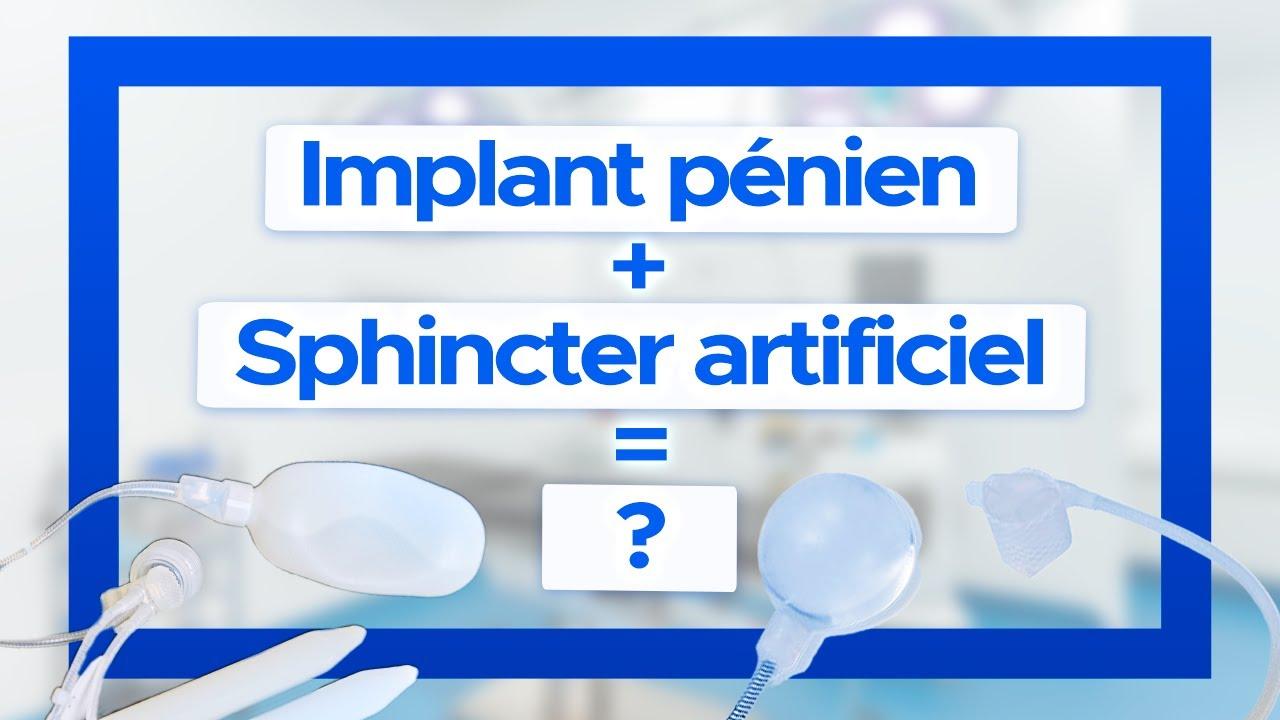
Understanding the devices: penile implant and artificial sphincter
Before addressing the issue of coexistence between a penile implant and an artificial sphincter, it is essential to understand what these two medical devices are used for.
- Artificial sphincter : This device is primarily used to treat urinary incontinence, often after prostate surgery. It acts like a ring that surrounds the urethra and allows control of urine flow.
- Penile implant: This device is designed to treat severe erectile dysfunction that does not respond to conventional drug treatments. The implant restores erectile function by inserting cylinders into the corpora cavernosa of the penis.
Is it possible to implant a penile implant and an artificial sphincter in the same patient?
The answer is yes, it is perfectly possible to have both devices. However, the method and timing of their installation are crucial to minimizing risks and optimizing results.
Option 1: Simultaneous installation of both devices
It is possible to implant the penile implant and the artificial sphincter during the same surgical procedure. This approach may seem practical, especially for patients who must travel long distances for surgery and wish to limit the number of procedures. However, this option has several drawbacks:
- Significant edema: After the operation, significant swelling (edema) may develop in the scrotum and penis, making it difficult to activate the devices.
- Functional difficulties: Edema can cause the pumps to stick together or make painful contact with the testicles, complicating their manipulation.
- Increased risk of acute urinary retention: This problem may occur more frequently with a combined procedure.
- Higher risk of infection: The increased complexity of the surgery may increase this risk.
Because of these factors, I generally advise against this method, except in very specific cases, such as patients who absolutely must limit their interventions to a single phase.
Option 2: Two-step installation
The method I recommend is to proceed in two stages, spacing out the interventions to allow for better healing and tissue adaptation. Two scenarios are possible:
- Penile implant after artificial sphincter: If you already have an artificial sphincter, you must wait at least three months before having a penile implant inserted. This waiting period allows for the formation of a pseudocapsule around the sphincter sleeve, a new layer of tissue that protects the sphincter from the external compression exerted by the implant cylinders.
- Penile implant before artificial sphincter: If you don't already have either device, I recommend starting with the penile implant. This strategy aims to preserve the length and girth of the penis, as the prolonged absence of erections (often unavoidable after sphincter placement) can lead to penile retraction.
Why insert the penile implant first?
Having a penile implant placed before an artificial sphincter is an important preventative strategy. Sphincter implantation requires a prolonged healing period, often several months, during which the patient will not experience natural erections or benefit from the implant. This period of sexual inactivity can lead to progressive penile retraction, thus reducing its length and girth. Furthermore, sphincter surgery, especially when performed transcavernous (i.e., around the urethra as it passes inside the corpora cavernosa), can itself contribute to this retraction. Therefore, starting with a penile implant helps maintain the structure and function of the penis. Even if the implant is not used immediately due to incontinence, it plays a key role in preserving the quality of sexual life .
Technical precautions during penile implant placement after artificial sphincter surgery
When the penile implant is inserted after the sphincter has been placed, it is essential to minimize the pressure exerted by the implant cylinders on the sphincter sleeve. Excessive compression could cause erosion of the sphincter at the urethra, leading to serious complications. Therefore, I recommend:
- Use non-hydraulic cylinders at the sphincter level to reduce volume and pressure.
- Use the thinnest extensions possible to limit external compression.
These technical precautions help to preserve the integrity of the sphincter while offering restored erectile function thanks to the implant.
What are the risks associated with combining the two devices?
The coexistence of a penile implant and an artificial sphincter is not without risks, and it is important to be aware of them:
- Postoperative edema: As mentioned previously, simultaneous placement can lead to marked swelling, hindering the use of the devices.
- Pain related to pump adhesion: The implant and sphincter pumps may stick to each other or to the testicles, causing pain when manipulated.
- Risk of infection: More complex surgery increases this risk, which can compromise the success of the implants.
- Risk of erosion: Excessive pressure from the cylinders on the sphincter can lead to urethral erosion.
These risks reinforce the need to carefully plan the surgical schedule and adopt appropriate techniques.
Advice for patients considering a penile implant and an artificial sphincter
If you are in a situation where you need to consider installing these devices, here are my recommendations:
- Don't hesitate to discuss this with your urologist: Every case is unique. Your doctor will be able to advise you on the best strategy tailored to your situation.
- Prefer the two-stage application: This minimizes complications and optimizes recovery.
- Start with a penile implant if you don't have any other device: This helps preserve penis length and volume.
- A waiting period of at least 3 months after sphincter placement before implant placement: To ensure proper healing and protect the sphincter.
- Choosing suitable implants: Thin, non-hydraulic cylinders at the sphincter level to limit risks.
Conclusion: optimizing continence and sexual quality of life
In summary, it is entirely possible for a patient to have both a penile implant and an artificial sphincter. The key to success lies in the meticulous planning of the surgical procedure . Simultaneous placement of both devices can be considered in very specific cases, but it carries significant risks of edema, pain, and infection. I therefore favor a two-stage approach, preferring to begin with the penile implant to preserve the structure of the penis and prevent retraction. If the sphincter is already in place, a minimum of three months is essential before implanting the device to ensure optimal healing and protect the sphincter from external pressure. This strategy aims to optimize both your urinary continence and your sexual quality of life, two essential aspects of your overall well-being. To learn more about male sexual health, erectile dysfunction, or advanced urological treatments, please feel free to consult my other articles and resources. Taking care of your health is the first step towards a fulfilling life.