
Prostate problem
Understanding and treating prostate diseases
The prostate is a key organ of the male reproductive system. With age, it can be the site of several pathologies, such as benign prostatic hyperplasia (BPH), prostatitis, or prostate cancer.
Introduction
Prostate problems are common, especially after age 50. They can cause urinary problems, pain, or sexual difficulties. The good news is that treatments are available. Early intervention can prevent complications and improve your quality of life.
Role and function
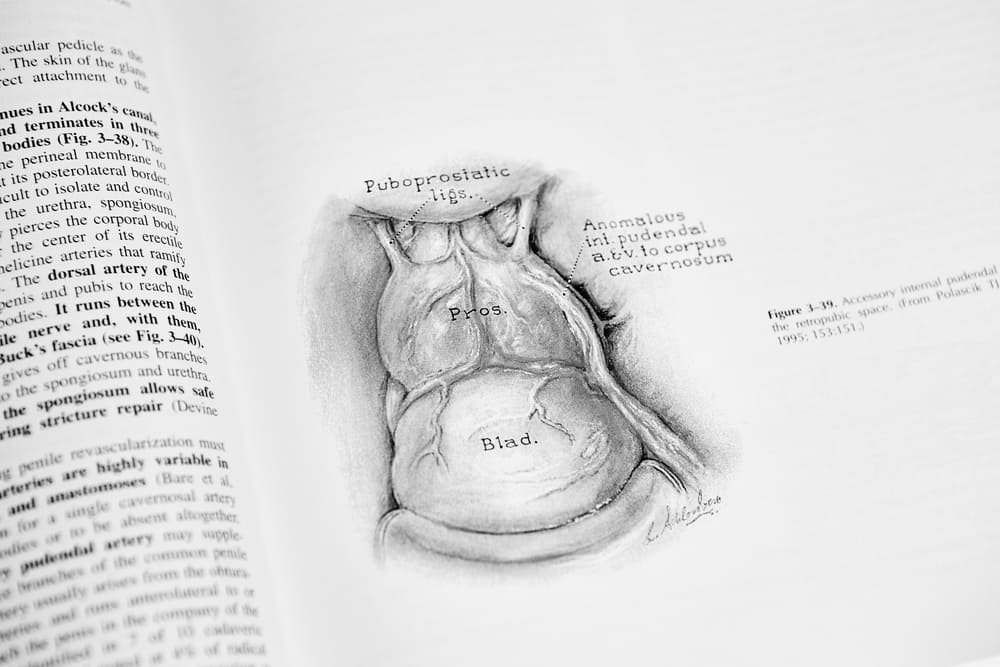
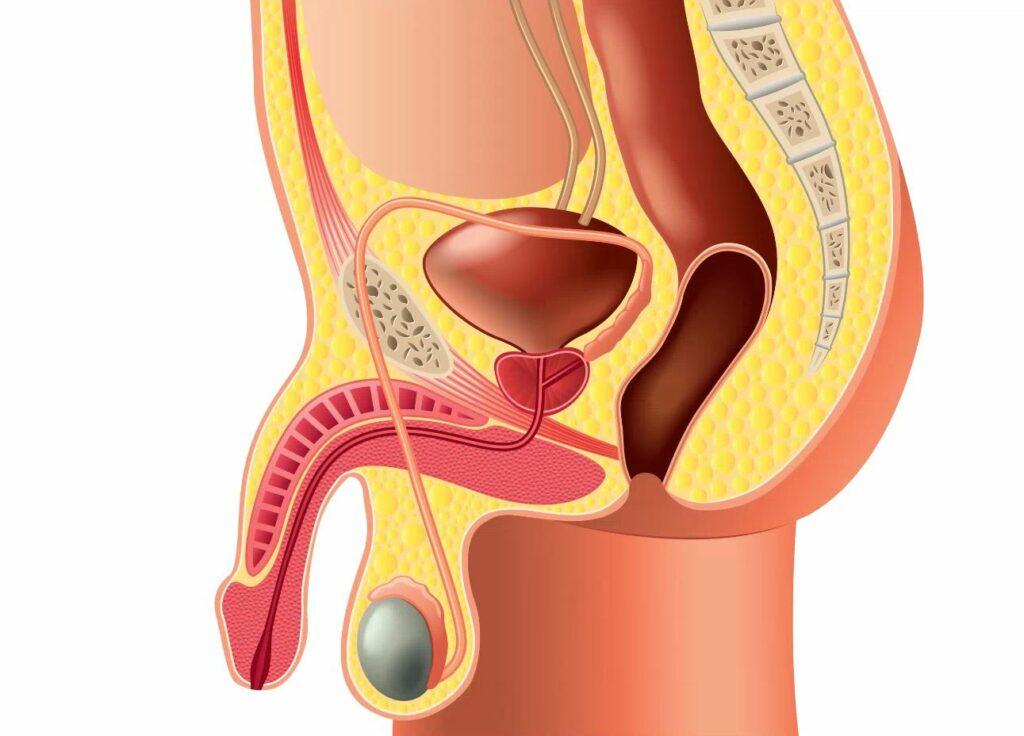
The prostate is a walnut-sized gland located below the bladder and surrounding the urethra. It plays an essential role in:
- The production of seminal fluid, which nourishes and protects sperm.
- Control of urinary flow, by influencing the opening and closing of the urethra.
- Fertility and sexual function.
With age, the prostate can enlarge, become inflamed, or be affected by cancer.
Expertise
Sébastien Beley - Patient journey in practice
What are the main prostate problems?
Benign prostatic hyperplasia (BPH), also called prostate adenoma, is an enlargement of the prostate gland that compresses the urethra and causes urinary problems. Common symptoms:
- Frequent need to urinate, especially at night (nocturia)
- Weak or interrupted urine stream
- Difficulty starting or stopping urinating
- Sensation of incomplete bladder emptying after urination
BPH is benign but can become very bothersome. Fortunately, treatments exist (medication, laser, surgery). Prostatitis (infection or inflammation) Prostatitis is a bacterial infection or inflammation, often painful. It can be acute (sudden) or chronic (persisting over several months). Common symptoms:
- Pain in the lower abdomen, testicles, or perineum
- Burning sensation when urinating
- Frequent and urgent urination
- Erectile dysfunction or pain during ejaculation
Prostate cancer is the most common cancer in men. It develops slowly, often without symptoms at first. Late symptoms:
- Urinary difficulties (similar to BPH)
- Presence of blood in the urine or semen
- Bone pain in cases of cancer spread
Early detection allows for effective treatment. A PSA test (blood test) and a digital rectal exam are recommended after age 50.
What are the warning signs?
If you experience any of these symptoms, it is important to consult a specialist quickly:
- Persistent difficulty urinating
- Unexplained pain in the pelvis or lower back
- Blood in the urine or semen
- Unusual fatigue and unexplained weight loss
Early diagnosis helps to avoid complications.
Experience
How to treat prostate problems while preserving ejaculation? #urology #doctor #prostate #treatment
What solutions exist?
Drug treatments (BPH and prostatitis)
- Alpha-blockers: facilitate the flow of urine.
- 5-alpha-reductase inhibitors: reduce the size of the prostate .
- Antibiotics and anti-inflammatories: to treat infections and inflammations.
These treatments are suitable for mild to moderate cases. Non-invasive treatments
- Shockwave therapy : used to improve blood circulation and relieve pain.
- Perineal rehabilitation: to strengthen bladder muscles and improve urinary control.
- Dietary and lifestyle changes: reducing caffeine, alcohol and irritating foods.
Indicated as a complement to medical treatments. Surgery and advanced treatments: If conventional treatments are insufficient, several options exist:
- Partial ablation (TURP, HoLEP, laser, etc.): to relieve the symptoms of BPH.
- Robot-assisted radical prostatectomy (total removal of the prostate): in cases of localized cancer.
- Radiotherapy and hormone therapy: specific treatments for advanced prostate cancer .
BPH surgery is considered as a last resort, when other options are no longer sufficient.
Why consult a specialist?
A consultation allows for several things:
- Eliminate a serious cause (cancer, severe infection)
- To offer a treatment tailored to your situation and symptoms
Regular monitoring helps to anticipate complications and preserve your quality of life.
Patient Journey
Let me introduce you to the typical patient journey, my approach to urology, and how I work.
Do you suffer from urinary or prostate problems?
Don’t let a prostate problem affect your daily life.
- Urology Clinic Paris Opéra – Paris 17th
- In-person or teleconsultation
- Book your appointment today
FAQ – Frequently Asked Questions
What are the signs of a prostate problem?
The most common symptoms are frequent or urgent urination at night, a weak or intermittent stream, difficulty starting urination, and a feeling of incomplete bladder emptying. These problems warrant a consultation with a urologist.
Are prostate adenoma and cancer the same thing?
No. Benign prostatic hyperplasia (BPH) is a benign enlargement of the prostate gland, very common after age 50, that can cause difficulty urinating. Prostate cancer is a separate disease, often asymptomatic in its early stages, and is detected through PSA testing and a physical examination.
Can adenoma be treated while preserving ejaculation?
Yes. Recent minimally invasive techniques, such as Rezum (water vapor) or Urolift implants, allow for the treatment of symptoms while preserving ejaculation, unlike traditional surgery. The indication depends on the size of the prostate.
When should you consult a doctor?
As soon as urinary problems affect your quality of life, or as part of the prostate cancer screening recommended from age 50 (45 years in case of family history or of Afro-Caribbean origin).
Dr Sébastien Beley's expertise
Chirurgien Urologue - Andrologue

Prostate problem: there are solutions.