
Peyronie’s disease
Understanding abnormal penile curvature and solutions for treating it
Peyronie’s disease is a condition that affects many men, often after the age of forty. It manifests as an abnormal curvature of the penis, which may be associated with pain and discomfort during sexual intercourse.
Introduction
This condition isn’t just a cosmetic issue. It can impact one’s sex life, lead to a loss of self-confidence, and cause debilitating pain.
The good news is that solutions exist. Medical treatment can slow the progression of the disease and improve patients’ quality of life.
What is Peyronie's disease?
Peyronie’s disease is a connective tissue disorder that leads to the formation of fibroses (scar tissue plaques) under the skin of the penis. These plaques gradually stiffen and deform the penis, causing an abnormal curvature during erection. Some statistics:
- Approximately 5% of men are thought to be affected, but this figure could be an underestimate.
- It usually appears between the ages of 40 and 70, but can occur earlier.
- In some cases, it can worsen over time if left untreated.
What are the symptoms?
Peyronie’s disease progresses in two distinct phases. Acute phase (inflammatory phase) – 6 to 18 months
- Pain during erections (and sometimes at rest)
- Formation of a fibrous plaque under the skin of the penis
- Appearance of a progressive abnormal curvature
- Decreased quality of erections
Chronic phase (stabilized) – after 18 months
- The pain decreases or disappears, but the deformity remains stable.
- Possibility of penis shortening
- Difficulty maintaining or achieving a rigid erection
Each case is unique: some men experience little discomfort, while others encounter real difficulty in having sexual relations.
Expertise
Sébastien Beley - Patient journey in practice
What are the causes and aggravating factors?
The exact cause of Peyronie’s disease is not fully understood, but several risk factors have been identified:
- Microtrauma to the penis (during sexual intercourse or due to an accident)
- Genetic predisposition
- Connective tissue diseases (e.g., Dupuytren’s contracture)
- Diabetes, hypertension, smoking and cholesterol
- Erectile dysfunction and poor blood circulation
Note: contrary to popular belief, this is not an infection or a sexually transmitted disease (STD).
What impact does this have on intimate and psychological life?
Peyronie’s disease is not limited to penile curvature . Its consequences can be profound:
- Painful or impossible sexual intercourse
- Decreased pleasure and partner dissatisfaction
- Complexes and withdrawal
- Anxiety and decreased self-confidence
- Depression related to loss of erectile function
Consulting a specialist can help avoid these complications and restore a fulfilling intimate life.
What solutions exist?
Drug treatments (acute phase)
- Anti-inflammatories and antioxidants: to reduce inflammation and slow progression.
- Oral medications (Potaba, Colchicine, Tamoxifen, Pentoxifylline): may help in some cases.
- Local injections (Verapamil, Collagenase, PRP ): can reduce fibrosis and improve penile flexibility.
Drug treatments are more effective in the early stages of the disease. Non-invasive therapies
- Shockwave therapy (LISWT): improves blood circulation and loosens fibrous plaques.
- Traction exercises and vacuum therapy: can help limit deformation and lengthen the penis.
These therapies are indicated before considering surgery. Surgical solutions (chronic phase and severe cases): If the curvature is too pronounced (greater than 60°) or if sexual intercourse becomes impossible, surgery may be an option.
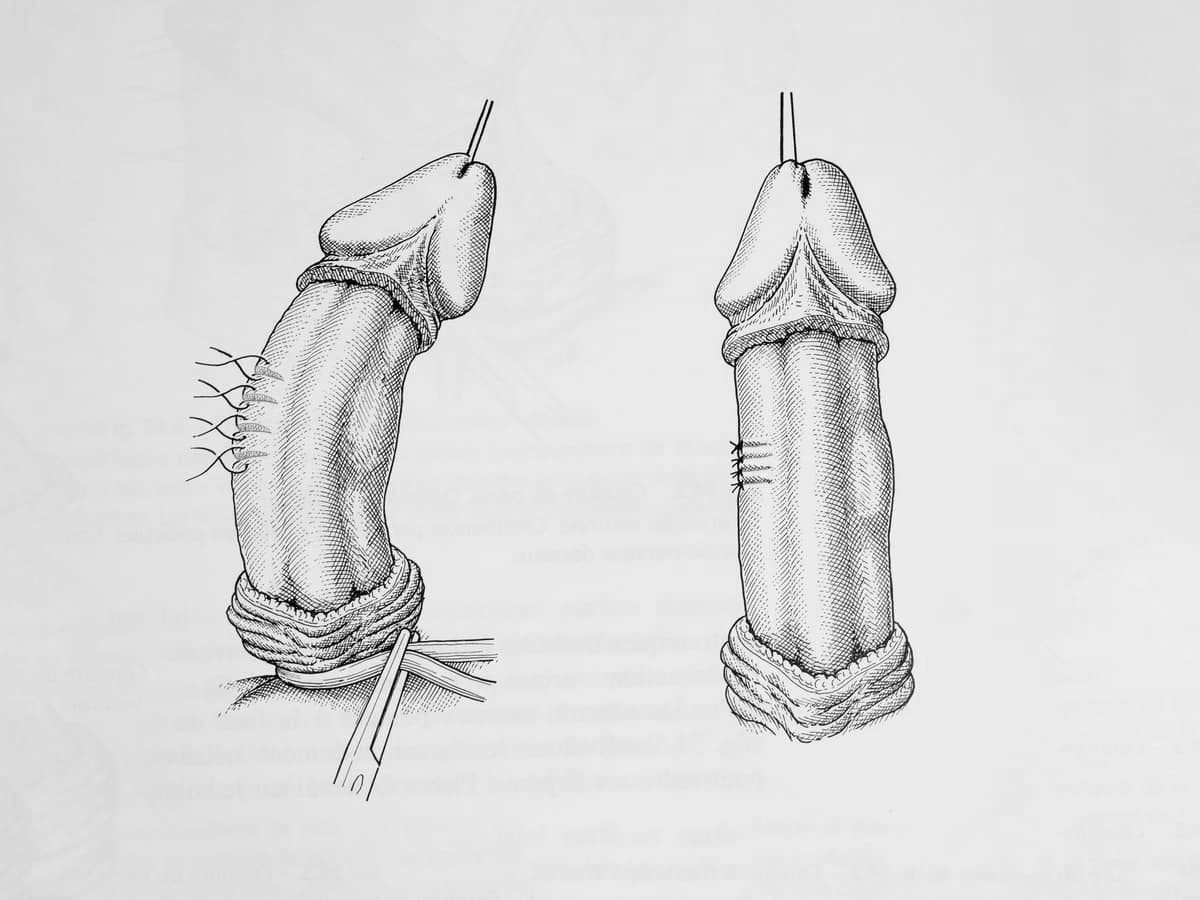
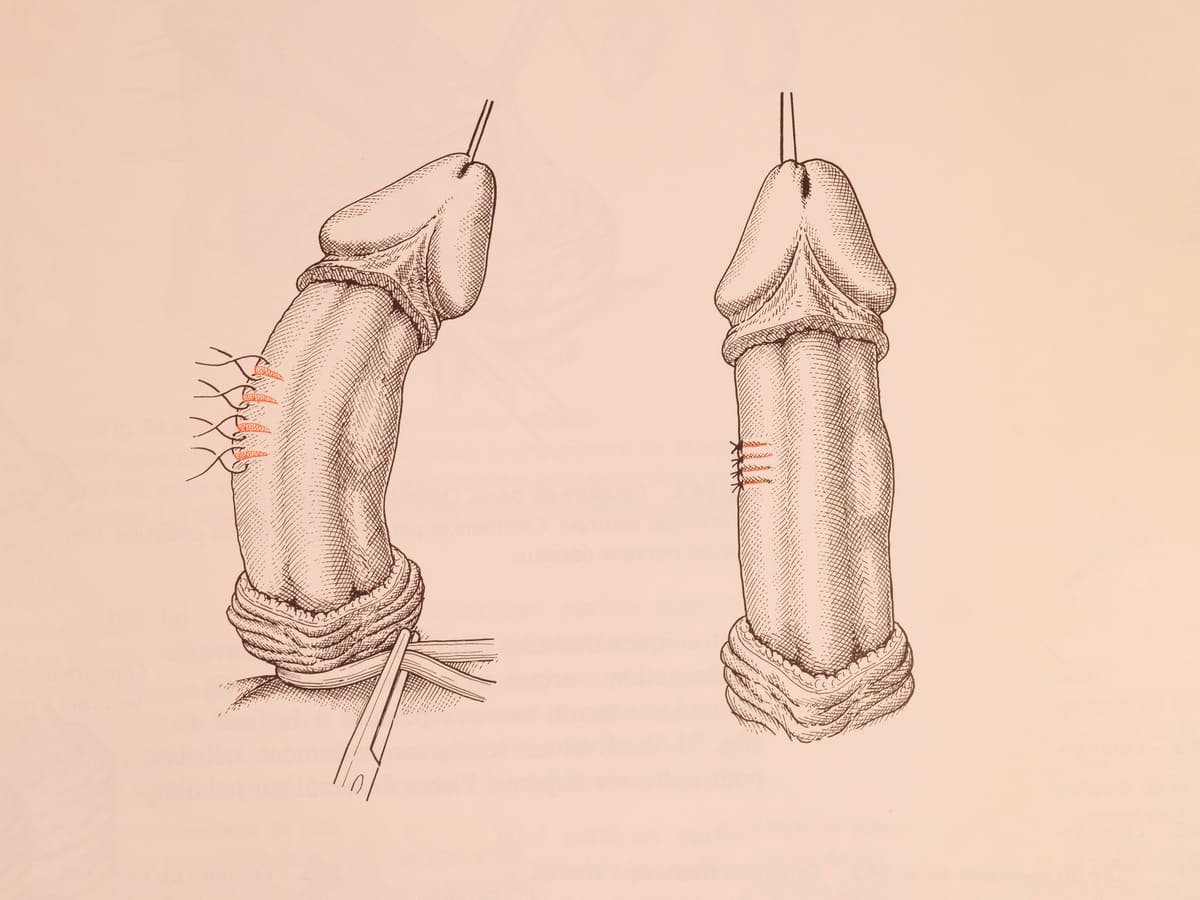
- Penile plication: corrects curvature by reducing the length on the opposite side.
- Grafting and excision of plaques: to restore a more natural morphology.
- Penile implant placement: a definitive solution in cases of associated erectile dysfunction.
Surgery is an effective solution, but it is considered as a last resort.
Experience
The causes of Peyronie's disease #urology #peyronie #erectiledysfunction #menhealth
Why consult a specialist?
Early diagnosis helps limit the progression of the disease and prevent complications. During a consultation, a clinical examination and possibly a penile ultrasound will help to:
- Assess the severity of the curvature
- Identify the location and size of the fibrous patches
- Determine the most appropriate treatment options
Don’t wait for the situation to worsen. The earlier treatment begins, the better the chances of improvement.
Patient Journey
Let me introduce you to the typical patient journey, my approach to urology , and how I work.
Are you suffering from pain, penile curvature, or erectile dysfunction?
Don’t let Peyronie’s disease impact your well-being and intimate life.
- Urology Clinic Paris Opéra – Paris 17th
- In-person or teleconsultation
- Book your appointment today
FAQ – Frequently Asked Questions
What is Peyronie's disease?
It is a benign condition of the penis characterized by the formation of a fibrotic plaque on the sheath of the corpora cavernosa. It causes a curvature of the penis during erection, sometimes pain and discomfort during intercourse.
What are the causes of the disease?
The exact cause is unknown, but repeated microtrauma to the penis during intercourse is the most frequently cited mechanism, in individuals with predisposing factors (genetic factors, diabetes, smoking). It affects approximately 3 to 9% of men.
Can the disease heal on its own?
The active phase typically lasts 6 to 18 months, after which the disease stabilizes. Spontaneous improvement is possible but rare (less than 15% of cases). Early intervention helps limit the progression of the curvature.
When should you consult a doctor?
As soon as a new curvature, a nodule on the penis, or pain during erection appears, an early consultation allows for the possibility of treatments (shockwave therapy, PRP injections) that are more effective in the active phase, before the plaque has fully formed.
Dr Sébastien Beley's expertise
Chirurgien Urologue - Andrologue

Peyronie’s disease: there are solutions.