
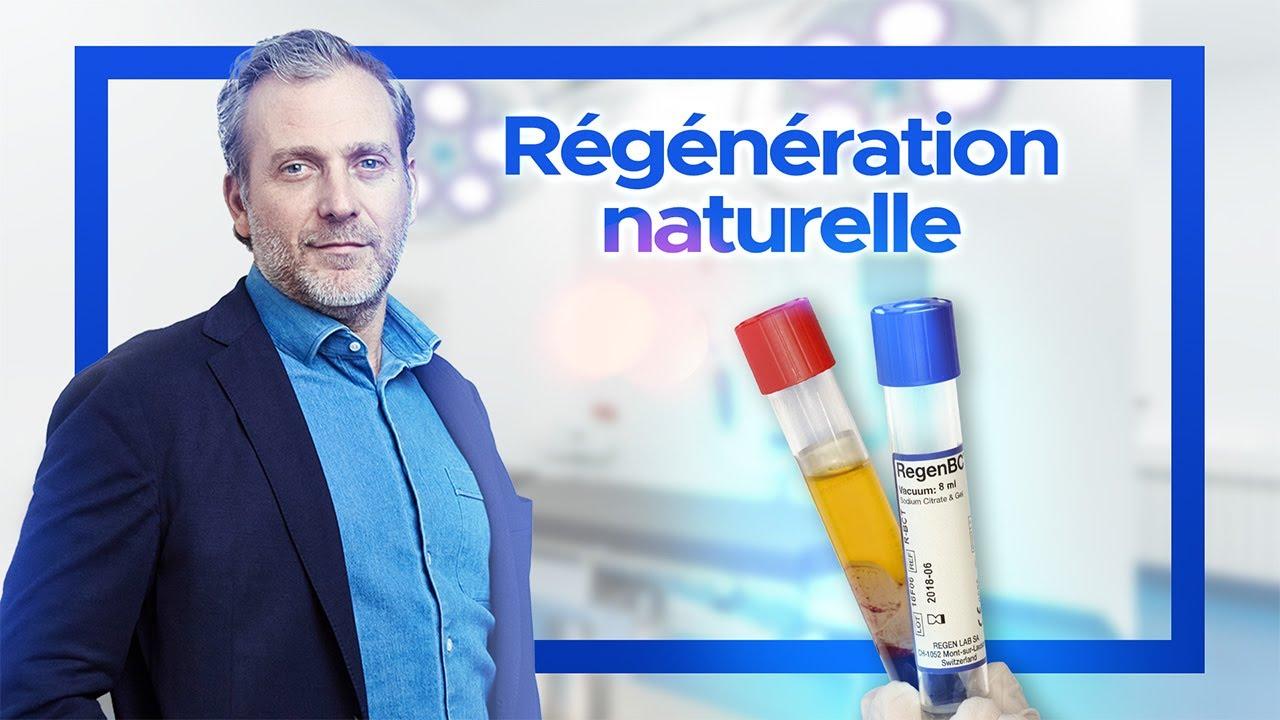
I am Dr. Sébastien Beley , a urologist and andrologist in Paris, and today I would like to talk to you about a therapeutic advancement that is generating considerable interest in the fields of urology and male sexual health : platelet-rich plasma , commonly known as PRP. This treatment, a product of regenerative medicine , offers new perspectives for improving the quality of life of patients suffering from various urological disorders. Whether you are experiencing erectile dysfunction, Peyronie's disease , or dermatological problems affecting the genital area, PRP could well represent a promising solution.
Throughout this article, I will explain in detail what PRP is, how it is obtained, its mechanisms of action, and its practical applications in urology. We will explore together why this innovative approach is gaining ground and how it fits into a broader trend in modern medicine that aims to promote natural tissue repair rather than systematically resorting to surgery or medication.
What is platelet-rich plasma (PRP)?
Platelet-rich plasma is a concentrate of autologous blood, meaning it comes from the patient's own blood. This concentrate is particularly rich in platelets, blood cells essential for tissue healing and regeneration. Unlike other blood components, platelets contain a multitude of growth factors and proteins that stimulate the body's natural cell repair mechanisms.
In the human body, platelets circulate in blood vessels and play a fundamental role when an injury occurs. They are responsible for clotting to stop bleeding, but also for releasing substances that recruit and activate the cells necessary for repairing damaged tissue. By isolating these platelets and concentrating them in a blood sample, a therapeutic solution is obtained that can enhance the healing process.
How is the PRP obtained?
The process of obtaining PRP is relatively simple and quick. It begins with a standard blood draw, usually taken from a vein in the crook of the elbow. This blood is then placed in a tube and centrifuged at a controlled speed, generally between 1500 and 3500 revolutions per minute, for about 5 minutes.
This centrifugation separates the different components of blood according to their density. Red and white blood cells, which are not needed for treatment and can even cause inflammation if reinfused, settle at the bottom of the tube. The top layer, called plasma, appears as a clear yellow liquid. This plasma contains platelets, concentrated and ready for use.
The PRP thus obtained is then ready to be injected directly into the area to be treated. This method guarantees that the patient receives a safe, natural, and personalized treatment, since it is their own blood.
Applications of PRP in urology and andrology
PRP is used today in several medical fields, but it is particularly successful in urology and andrology due to its regenerative properties. Here are the main indications for which PRP may be offered:
1. Improved erection quality
Erectile dysfunction is a common condition affecting a large number of men of different ages. Traditionally, treatments include oral medications such as Viagra or Cialis, but these solutions are not always suitable for all patients, and their effects may be limited in some cases.
PRP offers an innovative alternative known as P-shot , which involves injecting platelet-rich plasma directly into the corpora cavernosa of the penis. This technique aims to stimulate the regeneration of erectile tissue, improve local blood flow, and thus restore better erectile function.
The growth factors released by platelets promote the repair of damaged cells and the formation of new blood vessels, which can lead to firmer, longer-lasting, and more natural erections. This treatment is particularly suitable for men seeking a more physiological, less invasive solution with a low risk of side effects.
2. Treatment of Peyronie's disease
Peyronie's disease is a condition characterized by the formation of fibrous plaques in the penis, causing deformities, pain, and erectile dysfunction. This disease can significantly impact patients' quality of life and sexual health.
PRP can be injected directly into the fibrotic plaques, where it works by releasing growth factors that can remodel scar tissue and restore its elasticity. This approach can reduce pain, improve penile curvature, and promote functional recovery without systematically resorting to surgery.
3. Treatment of genital dermatological disorders
Skin and mucous membrane conditions of the genitals, such as lichen sclerosus (or lichen sclerosus), affect both men and women. These conditions cause loss of elasticity, itching, and can lead to serious complications if left untreated.
Thanks to its healing and anti-inflammatory properties, PRP is used to improve the quality of the skin and mucous membranes in these sensitive areas. By stimulating tissue regeneration, it helps restore elasticity and reduce symptoms, thus offering a better quality of life to affected patients.
4. Improving female sexual health
PRP isn't just for men. It also has applications in gynecology, particularly for treating vaginal dryness syndrome , a common problem in women, especially after menopause. PRP injections into the vaginal mucosa can stimulate collagen production and improve natural hydration, thus reducing discomfort and improving sexual function.
PRP, an innovation stemming from regenerative medicine
PRP is part of a broader trend called regenerative medicine , which aims to utilize the body's natural ability to repair itself. This approach arose from advances made particularly in rheumatology, where PRP has been used to stimulate cartilage regeneration in cases of knee osteoarthritis, allowing some patients to avoid major surgical procedures such as knee replacements.
Building on these successes, various medical fields have adopted PRP to improve conventional treatments, reduce medication side effects, and limit the need for surgery whenever possible. In urology, this method is revolutionizing the management of several conditions by focusing on the repair and revitalization of damaged tissues.
Why choose PRP over other treatments?
- Natural and safe: PRP is prepared from the patient's own blood, eliminating the risk of allergic reaction or rejection.
- Minimally invasive: The procedure consists of simple, quick and often well-tolerated injections.
- Few side effects: Unlike some medications or surgical procedures, PRP presents few risks of adverse effects.
- Stimulation of natural repair: Rather than masking symptoms, PRP promotes the healing of tissues at the source of the problem.
- Versatile: It can be used to treat a wide variety of urological and dermatological disorders.
Who should I contact for PRP treatment?
If you suffer from erectile dysfunction, Peyronie's disease, or dermatological problems affecting the genital area, don't hesitate to consult your urologist or andrologist . These specialists are best placed to assess your situation and, if appropriate, offer you PRP treatment .
PRP treatment requires specific expertise, particularly for the collection, preparation, and injection of the plasma. It is therefore essential to choose a professional trained and experienced in this technique to guarantee optimal results and maximum safety.
A few tips before you get started
- Discuss your expectations: PRP does not guarantee an instant or complete cure in all cases. It is a treatment that stimulates regeneration, and its effects may take several weeks to appear.
- Evaluate the alternatives: Depending on your condition, other therapeutic options may be more suitable or complementary to PRP.
- Find out more about the protocol: The number of sessions, the frequency of injections, and the medical follow-up vary depending on the indications.
- Plan for medical follow-up: Good follow-up is essential to adjust the treatment and assess its effectiveness.
Future prospects and innovations around the PRP
Research continues to explore the potential of PRP and regenerative medicine . New applications are being studied, particularly in urology, to treat more complex or chronic conditions. For example, studies are investigating the use of PRP in tissue repair after prostate surgery or in the management of certain forms of male infertility.
Furthermore, techniques combining PRP with other approaches, such as cell therapy or biomaterials, could further improve results in the future. The goal remains the same: to promote a better quality of life by stimulating the body's natural healing ability.
Conclusion: PRP, a gentle revolution for urological disorders
Platelet-rich plasma represents a major advance in the management of urological and andrological disorders. By harnessing the body's natural resources, it helps repair and regenerate tissues, thus offering a promising alternative to conventional treatments.
Whether it is to improve the quality of erections, treat Peyronie's disease, relieve genital skin conditions, or meet the specific needs of female sexual health, PRP stands out as a versatile, safe and promising solution.
If you are affected by these conditions, I encourage you to discuss them with your doctor or urologist. Together, you can assess whether this innovative treatment is suitable for your situation and benefit from the latest advances in regenerative medicine.
Don't hesitate to follow my advice and stay informed to take care of your sexual health naturally and effectively. Medicine is evolving, and PRP is a great example of this.
To learn more about male sexual health, I also encourage you to check out my other articles and videos , where I regularly share up-to-date and reliable information.