
Introduction
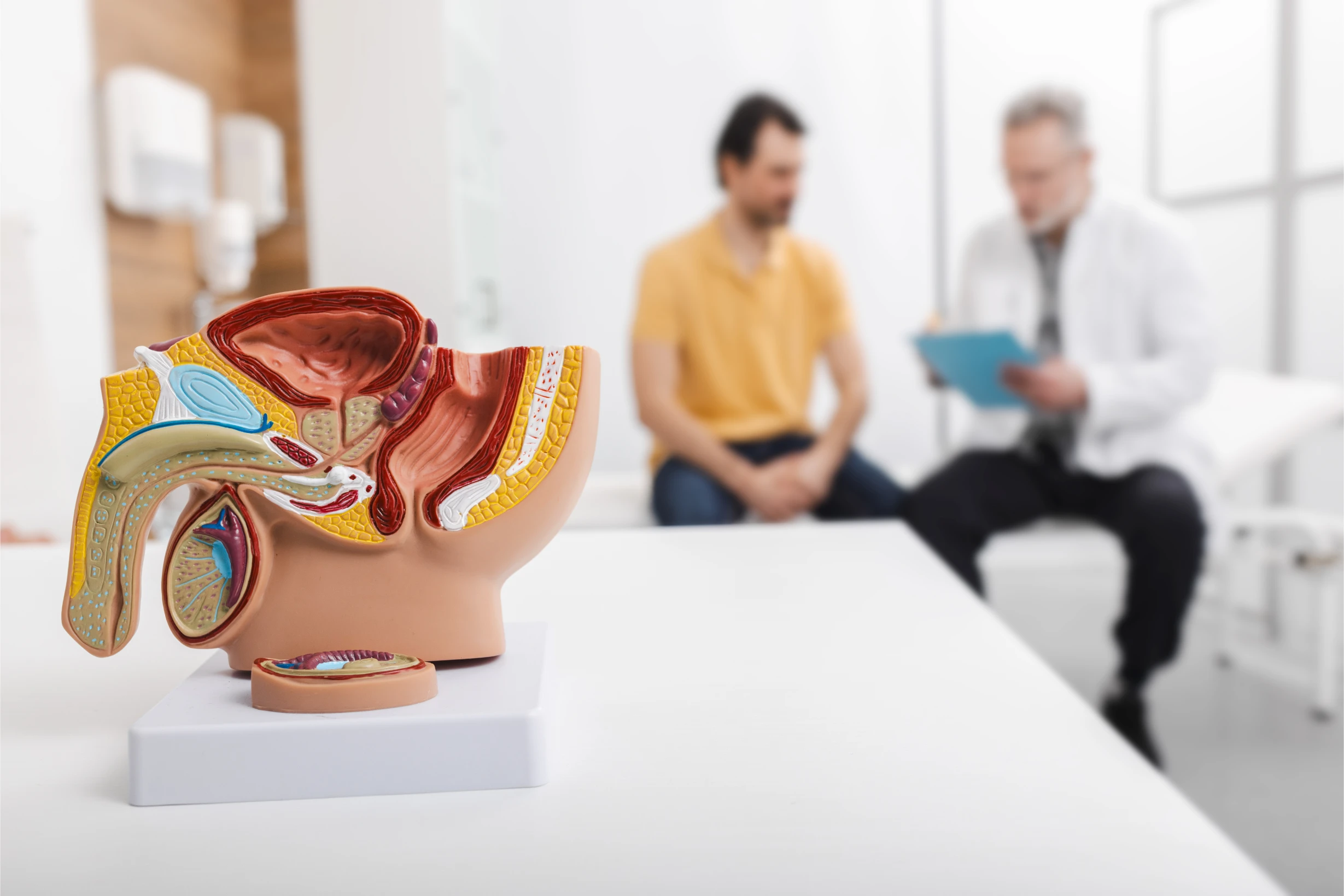
Penile implant surgery is a well-established and safe procedure, performed for decades with excellent results. Many men reach this stage after a long course of treatments that were sometimes disappointing or difficult to endure. Understanding the entire process of the operation, as well as the recovery phases, helps prepare the patient and reduce any anxiety.
Here is a simple and precise guide, designed to explain each step of the process, from the consultation to the resumption of intimate life.
1. Before the procedure: preparation
The pre-operative consultation
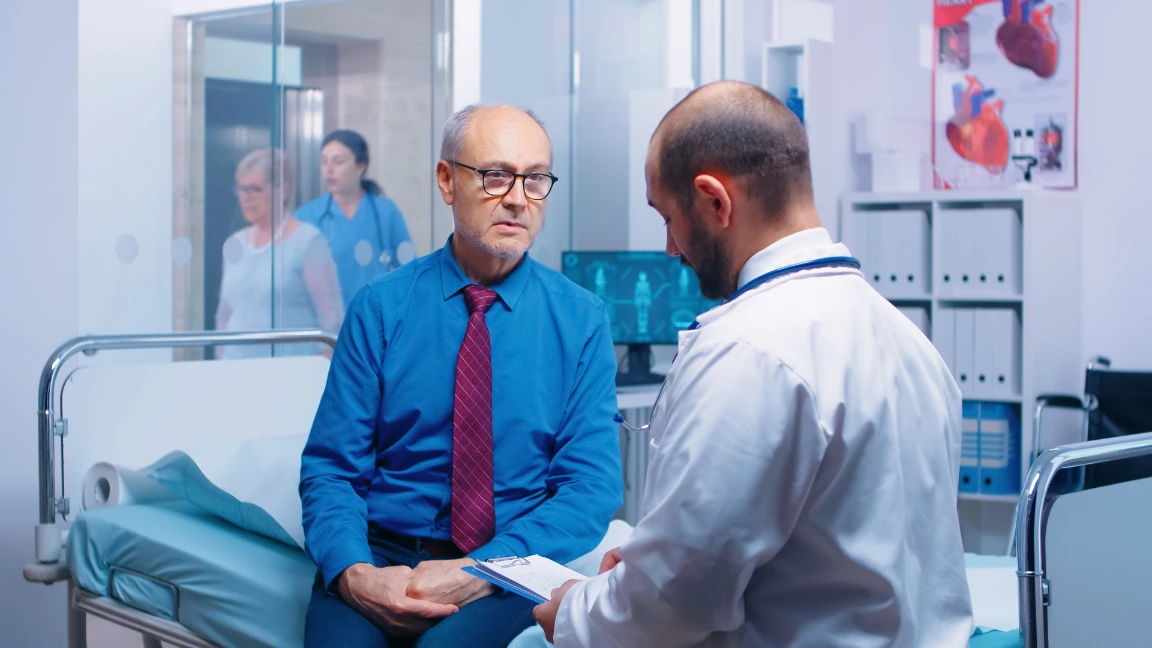
The first step involves a thorough consultation during which the surgeon:
- analyzes medical history,
- traces the history of erectile dysfunction,
- check the treatments already attempted.
- assesses the patient’s expectations and preferences,
- presents the different types of implants.
Once the model is chosen, the patient receives all the necessary information: duration of the procedure, type of anesthesia, recovery, possible risks and expected results.
The pre-operative assessment
These are generally:
- a blood test,
- an ECG,
- an anesthesia consultation,
- the prescriptions for medication needed for the day.
The goal is to ensure an intervention under the best possible conditions.
2. The day of the procedure: what you need to know
The patient is admitted on the morning of the surgery. He must be fasting and arrives with the documents provided during previous consultations.
Installation in the operating room
The operation takes place under:
- general anesthesia,
- or spinal anesthesia (anesthesia of the lower half of the body).
The choice depends on the patient’s medical profile and the recommendations of the anesthesiologist.
The total duration of the procedure varies from 30 minutes to 1 hour, depending on the type of implant.

3. Technical procedure of the intervention (simplified explanation)
1️⃣ The incision
A small incision of 3–4 cm is made at the base of the penis or at the level of the perineum.This incision provides access to the corpora cavernosa.2️⃣ Preparation of the corpora cavernosa
The surgeon delicately opens the corpora cavernosa to create the necessary space for the implant.This step is very precise and aims to preserve the tissues.3️⃣ Implant placement
Depending on the type chosen:
- Malleable implant: insertion of two semi-rigid rods.
- Hydraulic implant: insertion of the cylinders, placement of the pump in the scrotum, and positioning of the reservoir (for 3-piece implants).
4️⃣ Device Testing
Before closing, the system is activated to check:
- rigidity,
- the return to a flaccid state,
- the position of the pump,
- the aesthetic result.
5️⃣ Closing
The incision is closed and a compression dressing is applied.
4. Hospitalization: duration and monitoring
Most patients stay in the hospital for 1 to 2 nights.
During this period:
- The pain is controlled by simple analgesics.
- The scar is being monitored.
- A scrotal support can be applied to reduce edema.
- The patient receives recommendations for the following days.
Walking is usually possible the following day.
5. Recovery: week by week
Week 1–2
The patient may notice:
- mild to moderate edema,
- some bruises,
- discomfort when sitting.
That’s normal.
Rest, ice, and appropriate painkillers are usually sufficient.
Week 3–4
The edema is decreasing significantly.
The patient can gradually resume:
- longer journeys,
- daily tasks,
- sedentary work.
For hydraulic implants, this period often marks the beginning of pump learning.
Weeks 4–6
The vast majority of patients are completely at ease.
The surgeon can then authorize the resumption of activity:
- sexual intercourse,
- driving,
- of certain light sporting activities.
After 6 weeks
The patient returns to a normal life, with a perfectly integrated device.

6. Practical tips for optimal recovery
- Wear supportive underwear for the first few days.
- Apply ice (protecting the skin) to reduce swelling.
- Avoid strenuous activity, sports and sudden movements.
- Walk regularly to promote circulation.
- Follow the surgeon’s instructions meticulously.
- Do not operate the pump too early (hydraulic implants).
Post-operative monitoring plays a crucial role in achieving optimal results.
7. Mini-FAQ

Is it painful?
When can we go back to work?
When can we resume reporting?
Is it possible to travel?
Videos from Dr. Sébastien Beley to better understand the procedure
To clearly visualize the steps involved in penile implant placement and postoperative recovery, here are some explanatory videos from Dr. Sébastien Beley:
How is a penile implant inserted?
Pain and recovery after a penile implant: what is normal
Resuming sexual activity after a penile implant
Conclusion
Sources and references
https://uroweb.org/guidelines/sexual-and-reproductive-health/chapter/management-of-erectile-dysfunction
✔ Cleveland Clinic – Surgical penile implants: procedure and recovery
https://my.clevelandclinic.org/health/treatments/10054-surgical-penile-implants
✔ Mayo Clinic – Penile implant surgery: indications, risks and post-operative care
https://www.mayoclinic.org/tests-procedures/penile-implants/about/pac-20384916
✔ UrologyHealth (Urology Care Foundation) – What to expect after penile implant surgery
https://www.urologyhealth.org